Hostel food during NEET preparation should be simple, regular and balanced: whole grains, pulses, vegetables, fruit and enough water, at fixed times, with little added sugar, maida or deep-fried food. At RIMA, meals are sattvic and vegetarian.
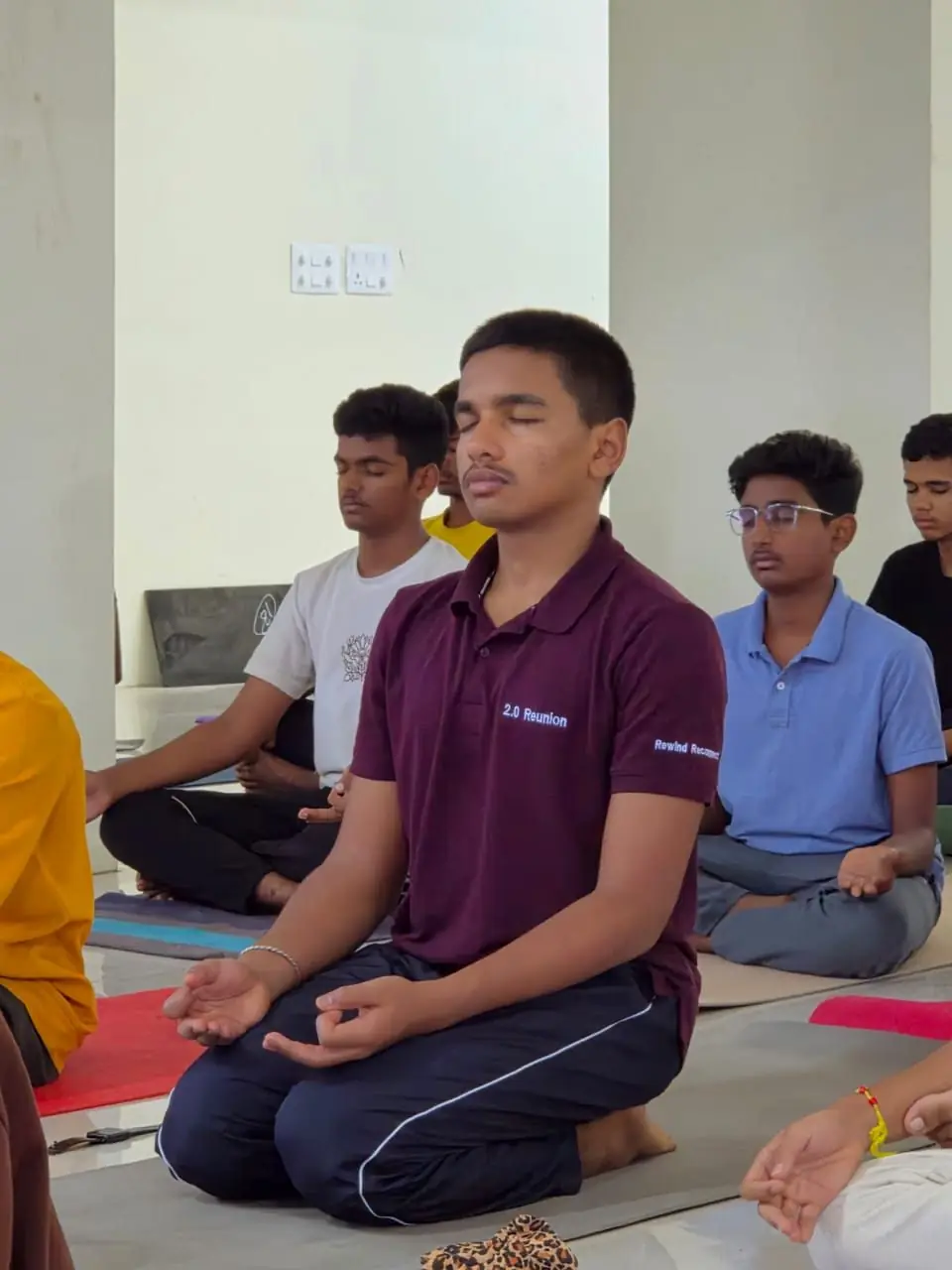
Parents ask about food more than almost anything else on a campus visit, and they are right to. A NEET year is long. The body that writes the exam in May is built by thousands of meals and nights of sleep before it. Here is a doctor's view of what students should eat, and how we approach food at RIMA.
Why food matters for a NEET student
- Steady energy. Meals at fixed times, with whole grains, pulses and vegetables, keep energy even through a long day of learning. Sugary and fried food gives a quick rise and a heavy, sleepy fall.
- Attention and mood. Skipped meals and erratic eating make concentration harder and mood more fragile.
- Sleep. Heavy, late dinners disturb sleep, and poor sleep weakens memory.
- Health through the year. A student who falls ill repeatedly loses days of learning.
What a good hostel menu looks like
- Meals at the same times every day, including Sundays
- Whole grains and millets, dal and other pulses, seasonal vegetables, curd
- Fruit, eaten whole rather than as juice
- Enough protein for a growing body, from pulses, dairy and nuts
- Plenty of clean drinking water through the day
- Little added sugar, little maida and little deep-fried food
You do not need special products, supplements or "brain foods". Ordinary, well-cooked home-style food, eaten regularly, does the work.
How RIMA approaches food
Food is the first of the sixteen practices in the Success Blueprint. At RIMA, every meal is sattvic and completely vegetarian, balanced, and served at fixed times. We remove added sweetness, maida and deep-fried food, and make sure each day includes protein, vitamins and minerals, fibre and water. Whole fruit is encouraged. At the Bachenahatti campus, the kitchen is being built for daily inspection.
"My child is a picky eater"
The first fortnight on any new menu is the hardest. Most students settle once meals become routine and hunger comes at the right times. We ask parents not to send packaged snacks, because they undo the routine. If your child has a medical diet or an allergy, tell the campus director at admission so the kitchen can plan for it.
Food is one part of health
On a NEET campus, health rests on four pillars from Indian tradition: ahara (food), vihara (activity), nidra (sleep) and vidya (learning).
- Activity: daily yoga with rhythmic breathing, and a sports and fitness period every day.
- Sleep: fixed sleep and wake times, every day of the week.
- Learning: about 10½ hours a day, built up gradually, never at the cost of sleep or food.
Water, tea and coffee
Students often forget to drink water during long study blocks, and headaches and tiredness follow. Keep a bottle on the desk. Tea and coffee late in the day push sleep later; keep them to the morning, if at all.
Exam days
On test and exam days, eat a normal, light breakfast at the usual time. This is not the day for a new food. Carry water. A familiar routine keeps the body steady when the mind is under pressure.
What parents can do at home
During holidays, keep meal times regular and the menu simple, as on campus. Avoid sending a child back with sweets and snacks that undo the routine. A home that supports the same rhythm makes the return to campus easy.
A word on weight and body image
A NEET year should not be a year of crash diets or skipped meals. If you notice your child eating much less or much more than usual, or worrying about their body, talk to them gently and to a counsellor.
When a student falls ill
At RIMA, a qualified nurse is on campus full-time, doctors are a call away, and parents are informed. At Bachenahatti, a sick bay runs on a doctor's protocol.
Mind as well as body
Eating poorly, sleeping badly, or losing interest in food can also be signs of stress. Wardens and mentors watch for them, and qualified psychologists visit on a fixed schedule. If you notice these signs in your child at home, talk to them gently. Tele-MANAS (14416) offers free support at any time.
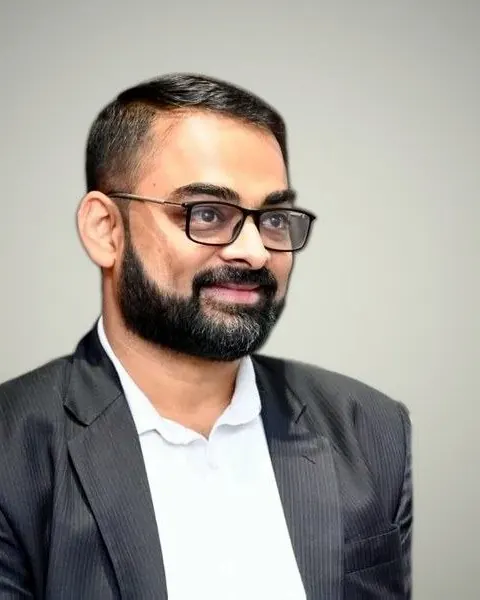
Dr Varun Murthy, MBBS (Kempegowda Institute of Medical Sciences, Bengaluru)
A doctor who left clinical work to build schools and study systems. Founder of Rebuild India Medical Academy and designer of the 16-point Success Blueprint.