An integrated PU college teaches the Karnataka PU board syllabus and entrance preparation, such as NEET, together in one timetable, usually with the same teachers. The student attends one institution instead of a college by day and a coaching centre by evening.
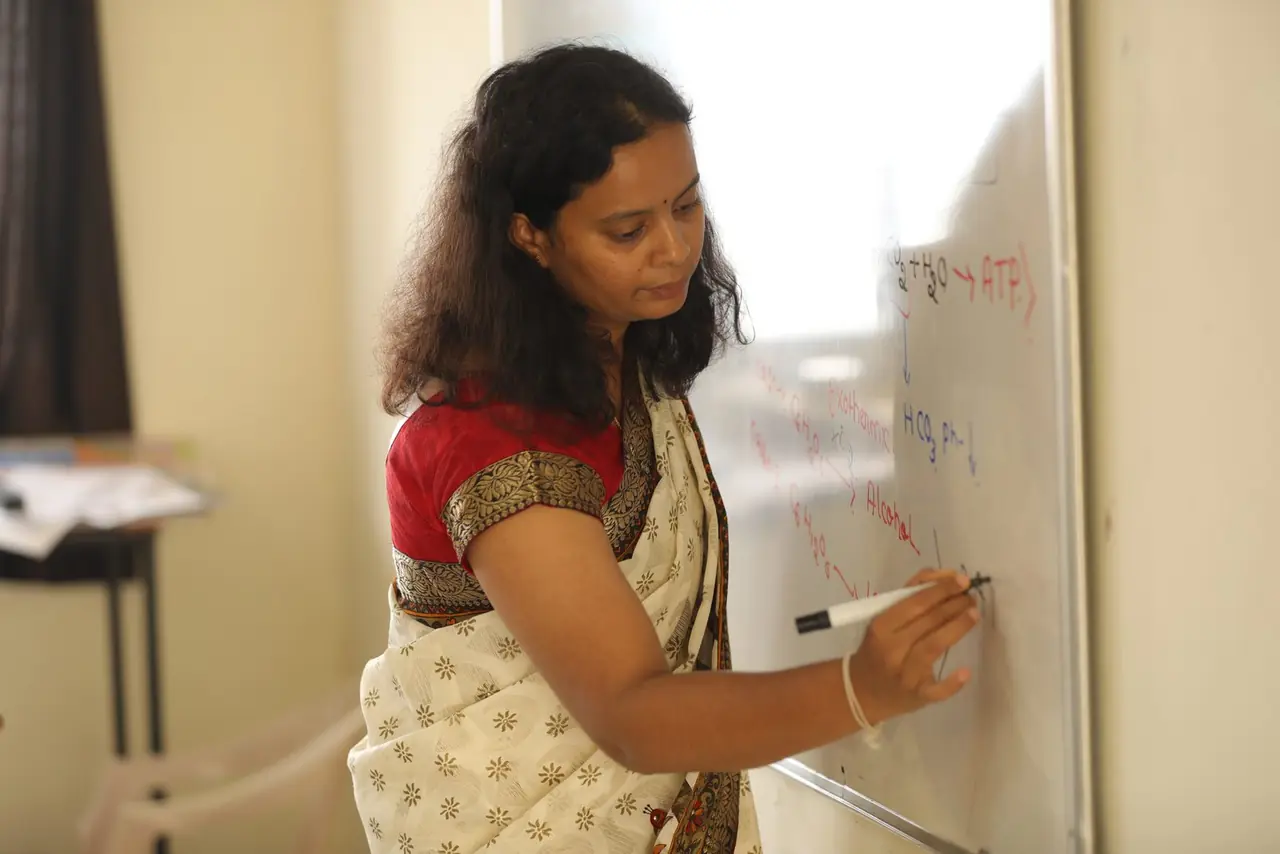
"Integrated PU" is one of the most searched phrases among Karnataka families after Class 10. It is also one of the most loosely used. Here is what it means, how it works when it works, and what to look out for.
The plain definition
In Karnataka, Class 11 and 12 are the first and second years of pre-university course (PUC), examined by the state PU board. Students who want to become doctors also need to prepare for NEET UG, the national entrance exam for MBBS, BDS, AYUSH and other courses.
Traditionally, a student attended a PU college during the day and a separate NEET coaching centre in the evenings or on weekends. An integrated PU college brings both under one roof: the PU board syllabus and NEET preparation are taught together, in one timetable.
Why integration helps
The syllabus overlaps
Physics, Chemistry and Biology in PUC and in NEET are built on the same NCERT-based content. Teaching them once, properly, at the depth NEET needs, serves both exams.
One timetable, no travel
A student who leaves college at four and reaches a coaching centre at six has lost two hours and most of their energy. Integration removes the commute and the clash of priorities.
One set of teachers
When the same teachers are responsible for both exams, the board exam is not neglected and NEET preparation is not rushed into evenings.
How a good integrated timetable works
- The year is planned so that the board syllabus is covered in time for the PU practical and theory exams.
- NEET-level depth and practice are built into the same chapters, not taught separately.
- Students write regular full-syllabus, NEET-format tests, and analyse each one.
- Self-study time is in the timetable, not left to the evening.
- Sleep, meals and some physical activity are protected.
Pitfalls to watch for
- "Integrated" in name alone. Some colleges simply bus students to a partner coaching centre. Ask where every class happens and who teaches it.
- The board exam neglected. NEET needs at least 50% in PCB in Class 12 for the general category (40% for SC, ST and OBC), as of 2026. A college that treats the board as a formality puts eligibility at risk.
- Twelve-hour class days. Integration should save time, not fill every hour with lectures. Students need self-study to make knowledge their own.
- Fees that hide two fees. An integrated fee should be one figure for both components, in writing.
Residential integrated PU
A residential integrated programme adds the hostel, meals and daily routine to the same timetable. Done well, it removes the phone and the commute entirely, and lets the institution protect sleep and sport. Done badly, it is a crowded hostel with long classes. Visit before you decide; our checklist for choosing a NEET residential academy helps.
A week in a well-run integrated programme
In a well-planned week, a student might have board-syllabus teaching and NEET-level problem practice for the same chapter on the same days, a self-study block every day, one full-format NEET test, and time after that test to analyse it. Practical work for the PU board is scheduled in the laboratory, not squeezed in before the exam. Sunday is lighter. The week is built around the student's learning, not around two separate institutions' timetables.
Questions to ask any integrated PU college
- Is all teaching, PU and NEET, on this campus, by your own teachers?
- Who teaches each subject, and what are their qualifications?
- How is the PU board practical exam prepared?
- How often are full NEET-format tests held, and what happens after each?
- What does a full day look like, hour by hour?
- What is the total fee for both years, in writing, and the refund policy?
Integrated PU at RIMA
At RIMA, integrated PU + NEET means 1st and 2nd PUC (Karnataka PU Board, Science) and NEET preparation in one residential day: about 10½ hours of learning in five blocks, with fixed sleep, sattvic food, yoga, sport and no phones. Teachers are trained as coaches, and doctors design and guide the mentoring. It runs at Bachenahatti, Magadi Road, from 2027–28, subject to approvals.
Whichever college you choose, make sure "integrated" describes the timetable, not just the brochure.
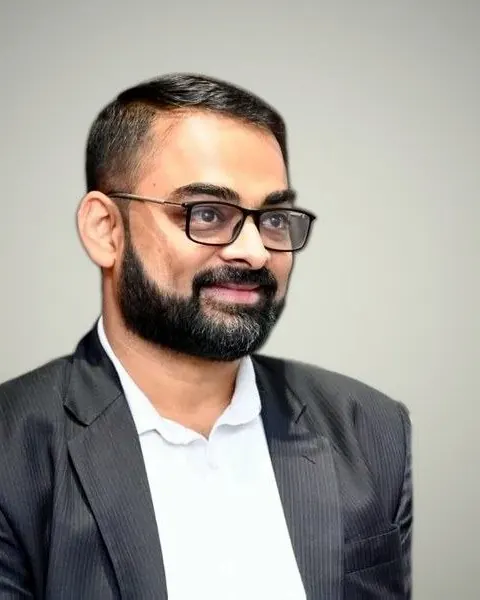
Dr Varun Murthy, MBBS (Kempegowda Institute of Medical Sciences, Bengaluru)
A doctor who left clinical work to build schools and study systems. Founder of Rebuild India Medical Academy and designer of the 16-point Success Blueprint.