Yes, a Class 9 student can start preparing to become a doctor, but not by starting NEET coaching. At 14, the right preparation is school subjects done properly, a steady routine, enough sleep and play, and study habits that last. NEET-specific work belongs in PUC.
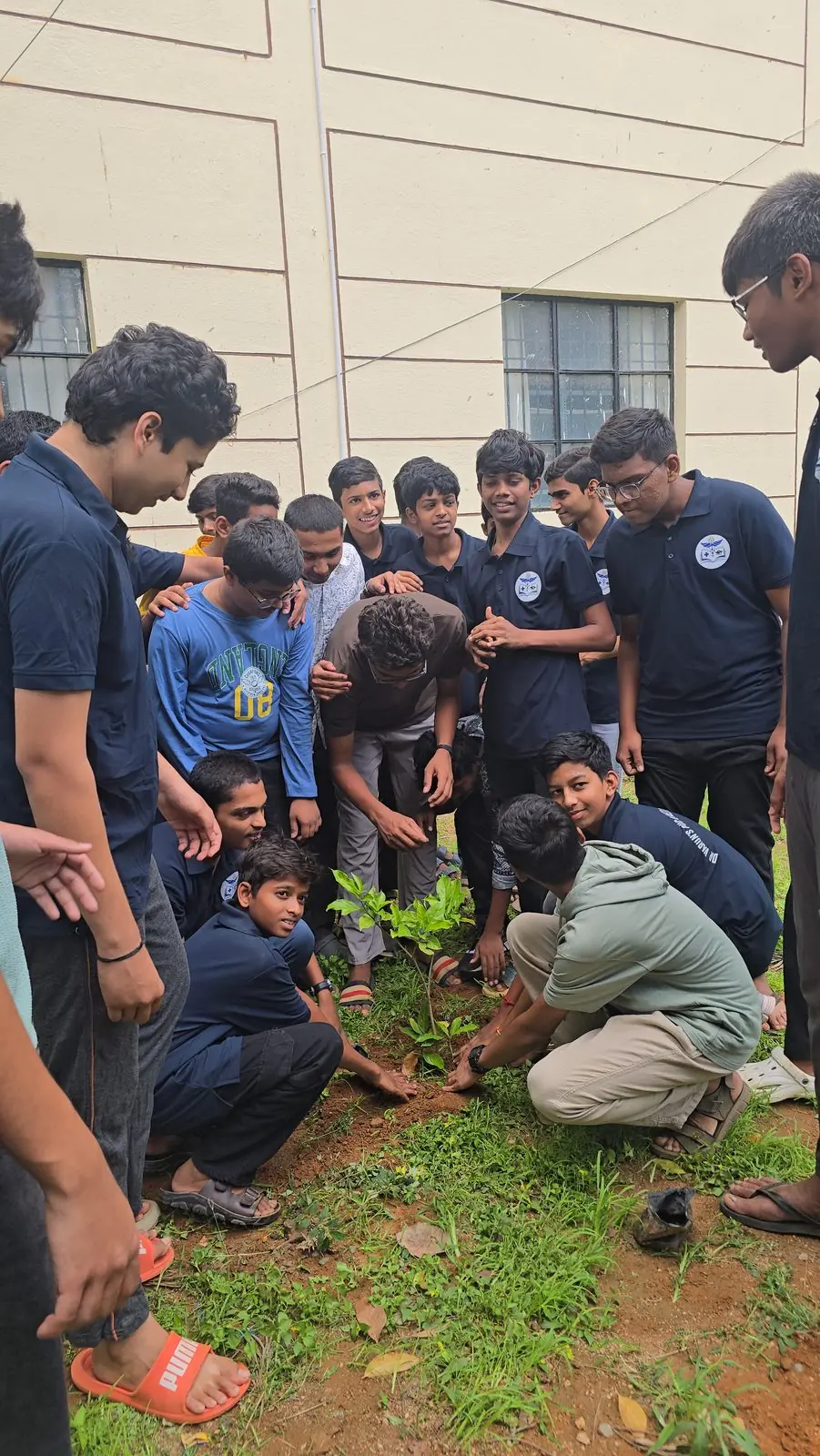
"Should my child start NEET preparation in Class 9?" Parents ask us this with real worry. They see younger and younger children in coaching classes and fear falling behind. Here is a doctor's answer.
The short answer
It is not too early to start becoming a doctor in Class 9. It is too early for NEET coaching.
At 14, a child's most valuable assets are a curious mind, a healthy body, and habits that will carry them through the hardest years. NEET-specific drilling at this age often damages all three.
What the rules say
India's Ministry of Education guidelines for coaching centres (2024) advise that students below 16, or before the Class 10 examination, should not be enrolled in coaching. Whatever their legal status in your state, they reflect a sensible view: children need school, sleep and play, not a second full-time timetable.
What genuinely helps at 14
School subjects, done properly
The Class 9 and 10 science and mathematics syllabus is the foundation of everything NEET tests later. A student who truly understands Class 9 and 10 science, rather than memorising it for marks, has a large head start. Don't skip ahead. Go deep.
Reading
Students who read comfortably, in English and in their own language, handle NEET's long biology questions and tricky wording far better. Reading widely at 14 pays off at 17.
A fixed routine
Waking and sleeping at the same time, eating at fixed times, and studying at the same time and place each day build the discipline that a NEET year demands.
Sleep
Teenagers need more sleep than adults, not less. A child who sleeps poorly at 14 learns poorly at 14.
Play and movement
Daily sport or exercise improves mood, concentration and health. It is not a distraction from study; it is part of it.
Study habits that last
Testing yourself instead of re-reading. Making your own notes. Planning the week. Never missing a habit twice in a row. These habits, learned at 14, are worth more than any early coaching module.
A real picture of a doctor's life
Talking to doctors, hearing what their day is like, learning first aid: these help a child choose medicine for the right reasons, or discover that another path suits them better.
What does not help at 14
- Long coaching hours on top of school
- Skipping school subjects to do "NEET topics"
- Ranking children against each other in weekly tests
- Phones and late nights in the name of online classes
- Constant talk of seats, ranks and competition
These often produce a tired, anxious child who reaches PUC already burnt out.
Signs your child is doing well at 14
- They sleep at a regular time and wake without a struggle.
- They play or exercise most days.
- They can explain a science idea in their own words.
- They read something they enjoy every week.
- They talk to you about school without fear.
These are better predictors of a strong NEET year than any early test score.
Class 10: a stepping stone, not a sprint
In Class 10, the board exam matters, and the same principles hold. A student who finishes Class 10 with strong science, good habits and their health intact is in an excellent position to begin NEET preparation in 1st PUC.
How RIMA approaches Class 9
At RIMA, Classes 9 and 10 are schooling, done well: CBSE schooling with a full residential routine of fixed sleep, sattvic food, yoga, daily sport and no phones. We never call it "NEET foundation" or "NEET coaching". What we add is daily work on the five dimensions of a doctor, physical, intellectual, emotional, social and spiritual, so that when NEET preparation begins in PUC, it begins on solid ground. Read about the Class 9–10 residential school.
For parents
Your 14-year-old does not need to be ahead of other children. They need to be well, curious and steady. If you protect those three things, the NEET years will go far better.
If your child seems anxious or low about studies and the future, talk to them gently, and to their school counsellor. Tele-MANAS (14416) is free and available at any time.
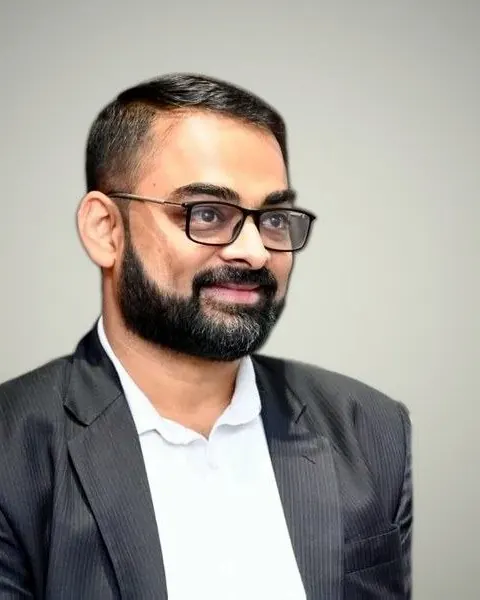
Dr Varun Murthy, MBBS (Kempegowda Institute of Medical Sciences, Bengaluru)
A doctor who left clinical work to build schools and study systems. Founder of Rebuild India Medical Academy and designer of the 16-point Success Blueprint.